Our take
The series' most emotionally mature entry — atmospheric and devastating.
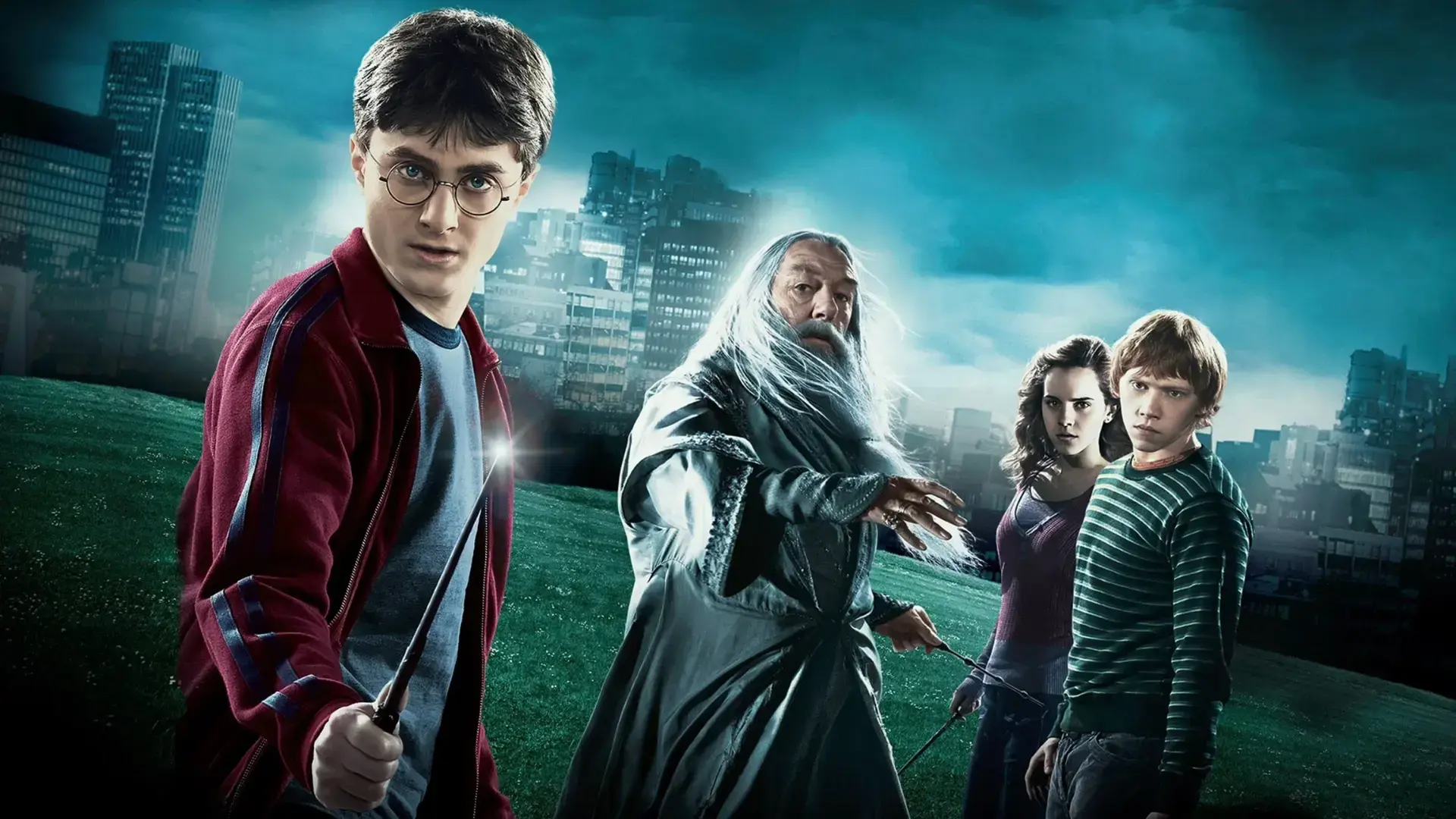
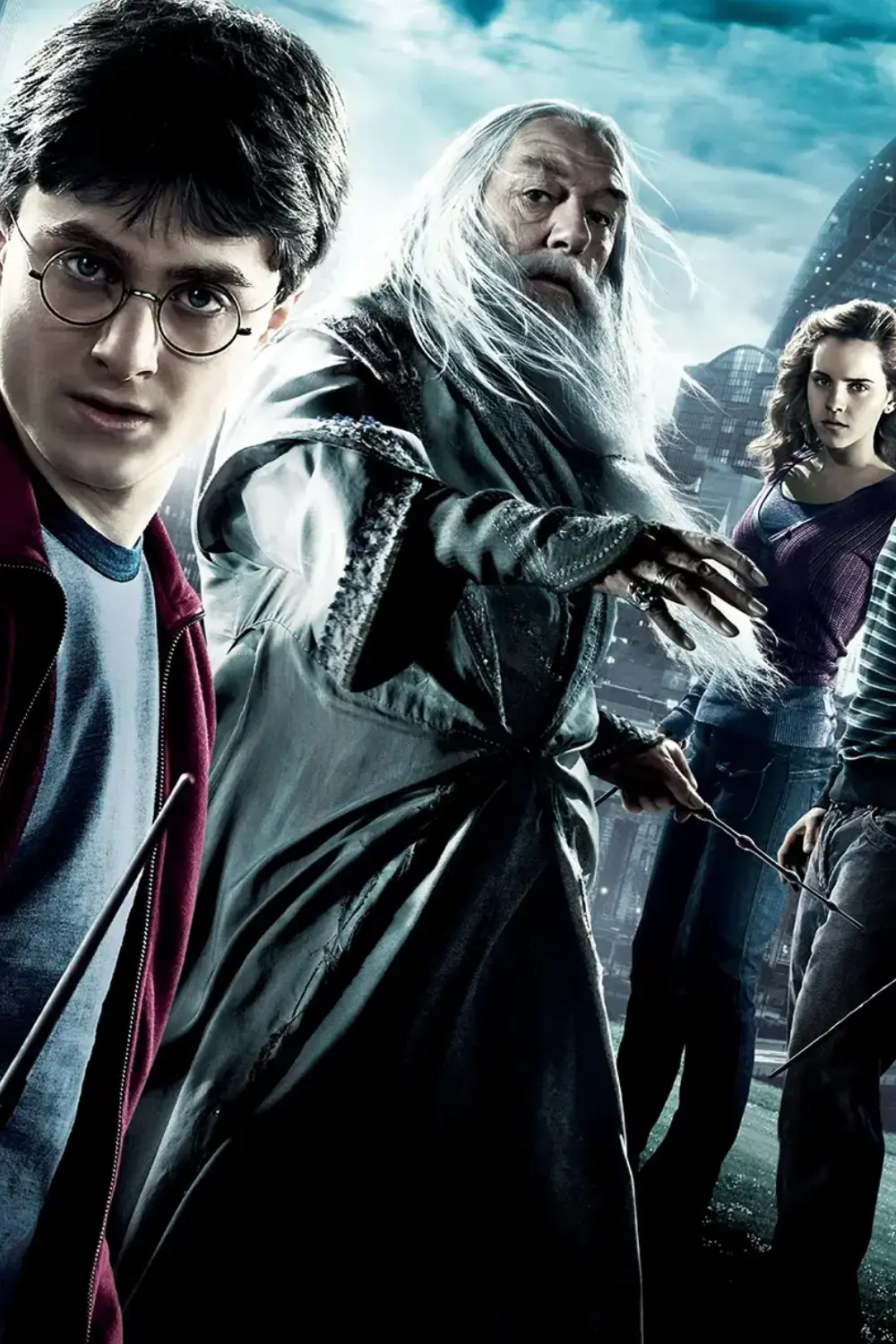
Harry Potter and the Half-Blood Prince represents a significant shift in the series, moving away from the sense of wonder that defined the earlier films and embracing a much darker and more mature tone. Rather than focusing primarily on adventure, the story explores fear, loyalty, loss, and the growing threat of Voldemort's return. This transition marks an important turning point in the franchise as the wizarding world begins to face the reality of an approaching war. One of the film's greatest strengths is its atmosphere. The darker cinematography and more restrained visual style create a sense of tension that is present throughout the story. Hogwarts, once a place of safety and discovery, feels increasingly vulnerable, reflecting the uncertainty experienced by the characters. The film also places a stronger emphasis on character development. Harry's relationship with Dumbledore becomes more important than ever as they work together to uncover Voldemort's past. At the same time, Draco Malfoy receives one of the most compelling storylines in the series. His internal struggle adds emotional depth and demonstrates that the conflict between good and evil is often more complex than it first appears. Another notable aspect is the balance between darkness and everyday teenage life. Romantic relationships, friendships, and moments of humor provide relief from the growing tension while making the characters feel more relatable. These quieter moments help humanize the story and remind the audience that the characters are still teenagers despite the extraordinary circumstances surrounding them. The emotional climax of the film is particularly effective because it relies less on action and more on the consequences of the choices made by its characters. The final events fundamentally change the direction of the series and create a powerful sense of anticipation for what follows. Overall, Harry Potter and the Half-Blood Prince is one of the most emotionally mature entries in the franchise. Through its strong atmosphere, character-focused storytelling, and exploration of sacrifice and responsibility, the film successfully prepares the audience for the dramatic conclusion of the Harry Potter saga.
With a visual grammar built around negative space and carefully held close-ups, the film trusts the audience to notice what its characters cannot say. It is intimate filmmaking at an ambitious scale, and its final image lingers long after the credits.
What works
Confident and mature atmosphere
Strong character development, especially Draco Malfoy
Emotional and memorable final act
What doesn’t
The middle section occasionally loses momentum
Some subplots, particularly the romances, feel underdeveloped