Our take
Gothic, gorgeous, and genuinely moving — Burton at his most elegant.
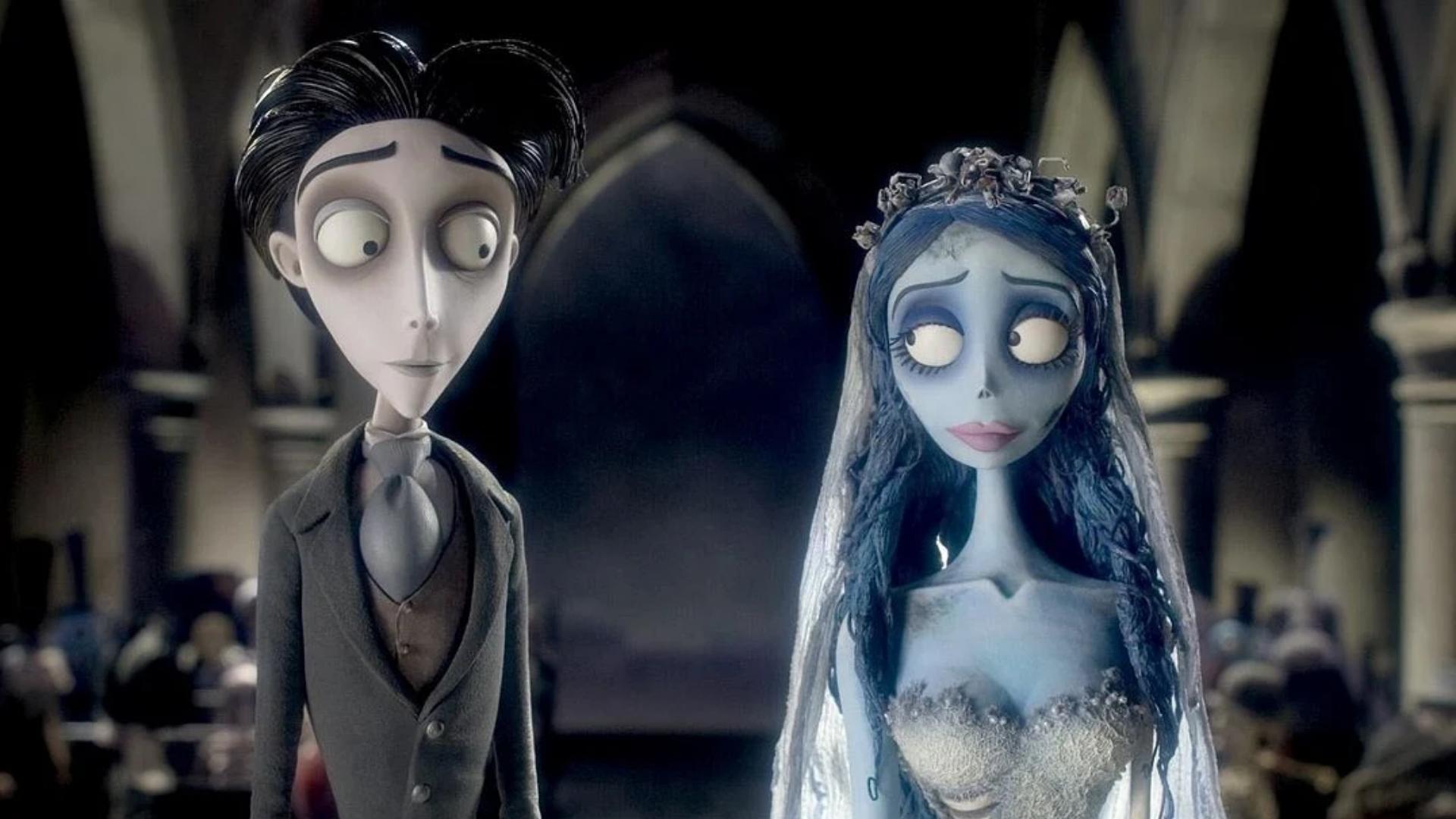
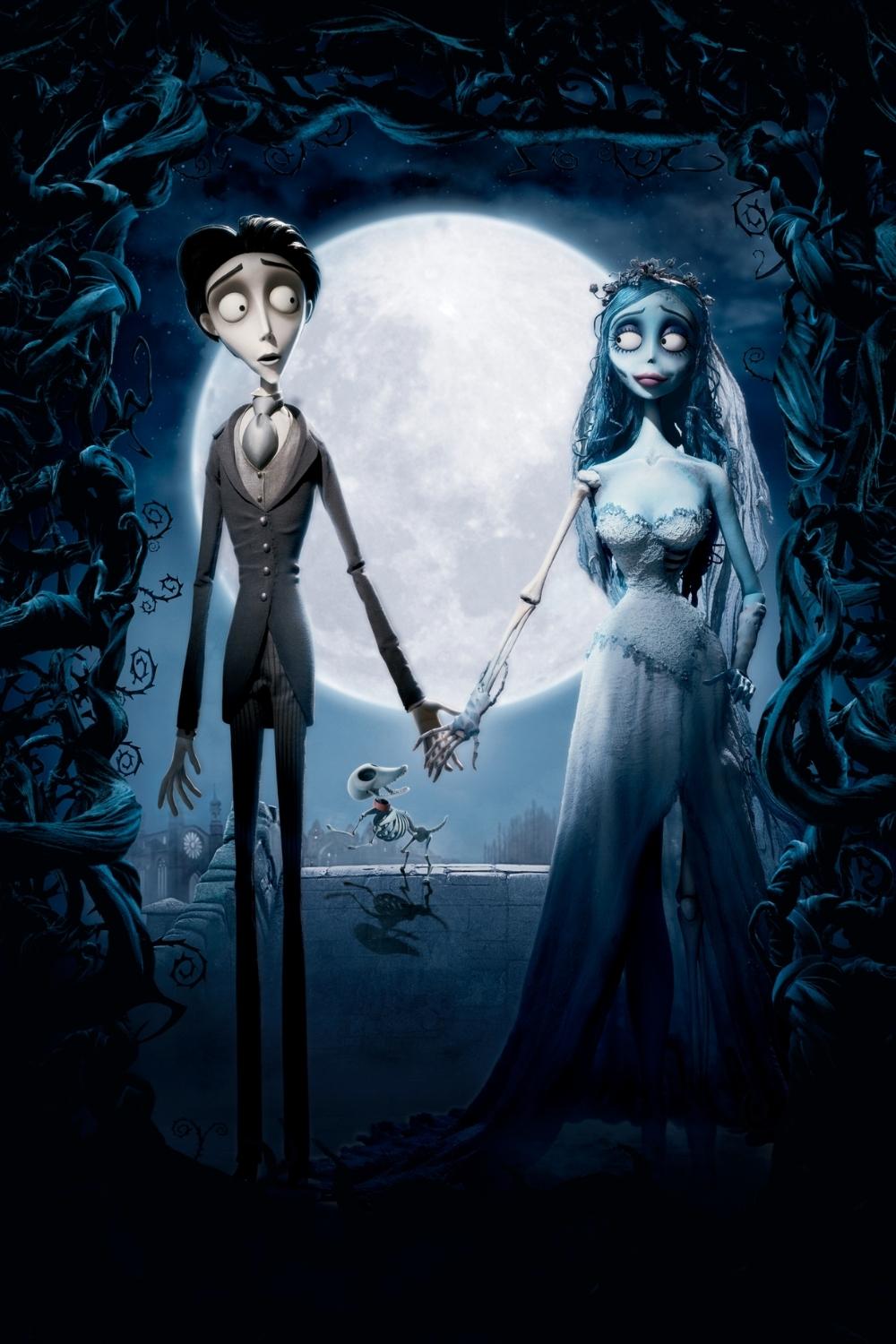
Corpse Bride is a beautifully crafted gothic fantasy that combines dark themes with warmth, humor, and emotional depth. Directed by Tim Burton, the film transforms a story about death into an exploration of love, freedom, and personal choice. While its visual style immediately captures attention, the emotional sincerity at the heart of the story is what makes it memorable. One of the film's most striking qualities is its visual design. The contrast between the gloomy, restrictive world of the living and the colorful, energetic world of the dead creates a fascinating reversal of expectations. The living characters often appear trapped by social rules and obligations, while the dead are portrayed as expressive, lively, and free. This creative approach gives the film a unique identity within the animated fantasy genre. The story also explores the tension between duty and genuine emotion. Victor's journey is driven by uncertainty and fear, while Emily, the Corpse Bride, emerges as one of the film's most sympathetic and emotionally complex characters. Her longing for love and acceptance gives the story an emotional weight that extends beyond its fairy-tale premise. Music plays an important role in shaping the film's atmosphere. The score enhances both the whimsical and melancholic moments, helping to balance the darker elements of the story with a sense of charm and wonder. Combined with the detailed stop-motion animation, the music contributes to a world that feels both magical and emotionally authentic. What makes Corpse Bride particularly effective is its ability to address themes such as loss, heartbreak, and sacrifice without becoming overly sentimental. The film maintains a light touch while still delivering meaningful emotional moments, allowing its message to resonate with audiences of different ages. Overall, Corpse Bride is more than a visually impressive animated film. Through its distinctive artistic style, memorable characters, and heartfelt storytelling, it offers a thoughtful reflection on love, identity, and the importance of choosing one's own path.
With a visual grammar built around negative space and carefully held close-ups, the film trusts the audience to notice what its characters cannot say. It is intimate filmmaking at an ambitious scale, and its final image lingers long after the credits.
What works
Inventive visual contrast between the living and dead worlds
Emily is a genuinely sympathetic and complex character
Score and stop-motion animation work in perfect harmony
What doesn’t
At 77 minutes, the story feels slightly rushed
Victor is a passive protagonist for much of the film