Our take
A globe-trotting zombie thriller that trades scares for scope.
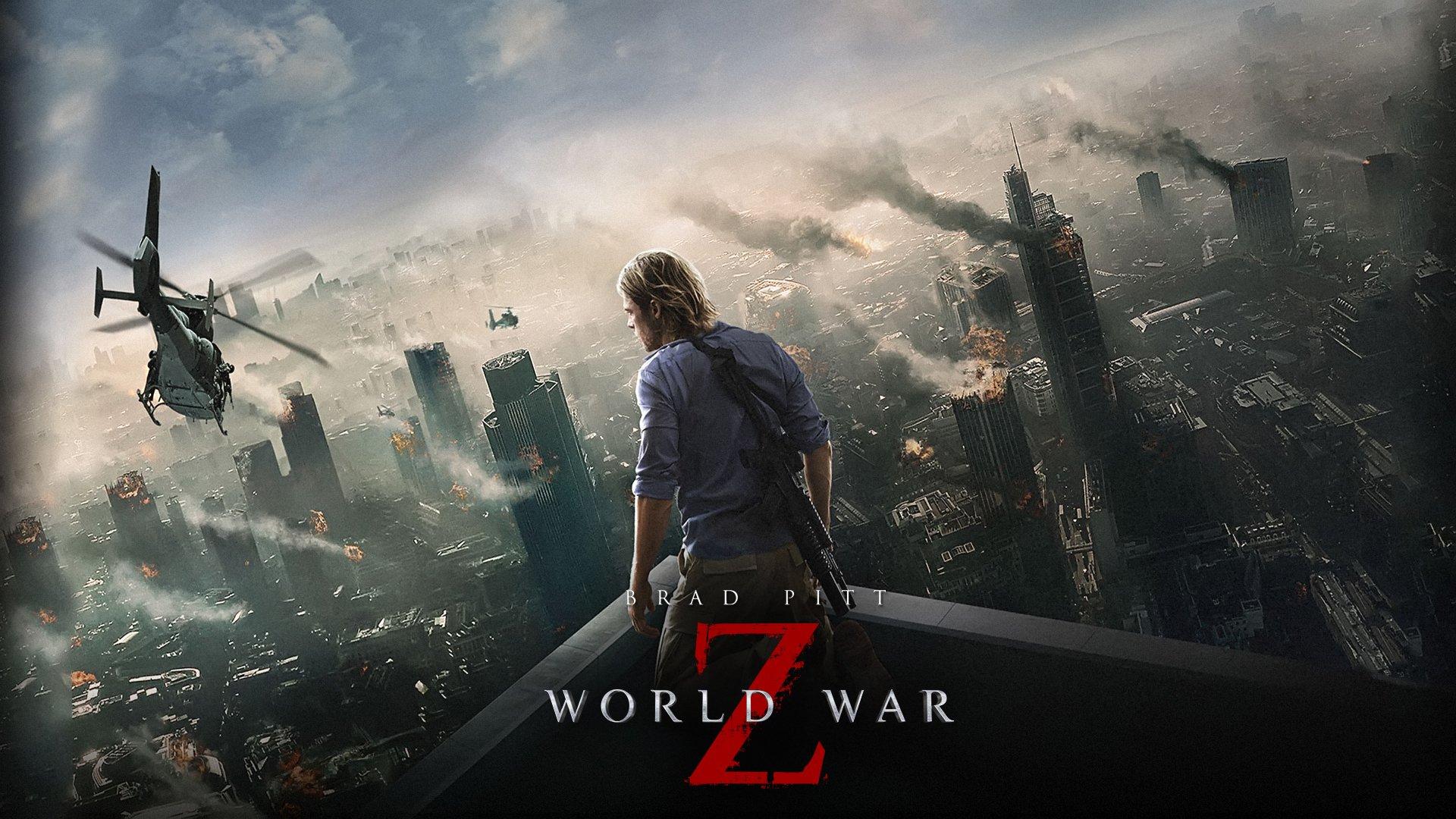
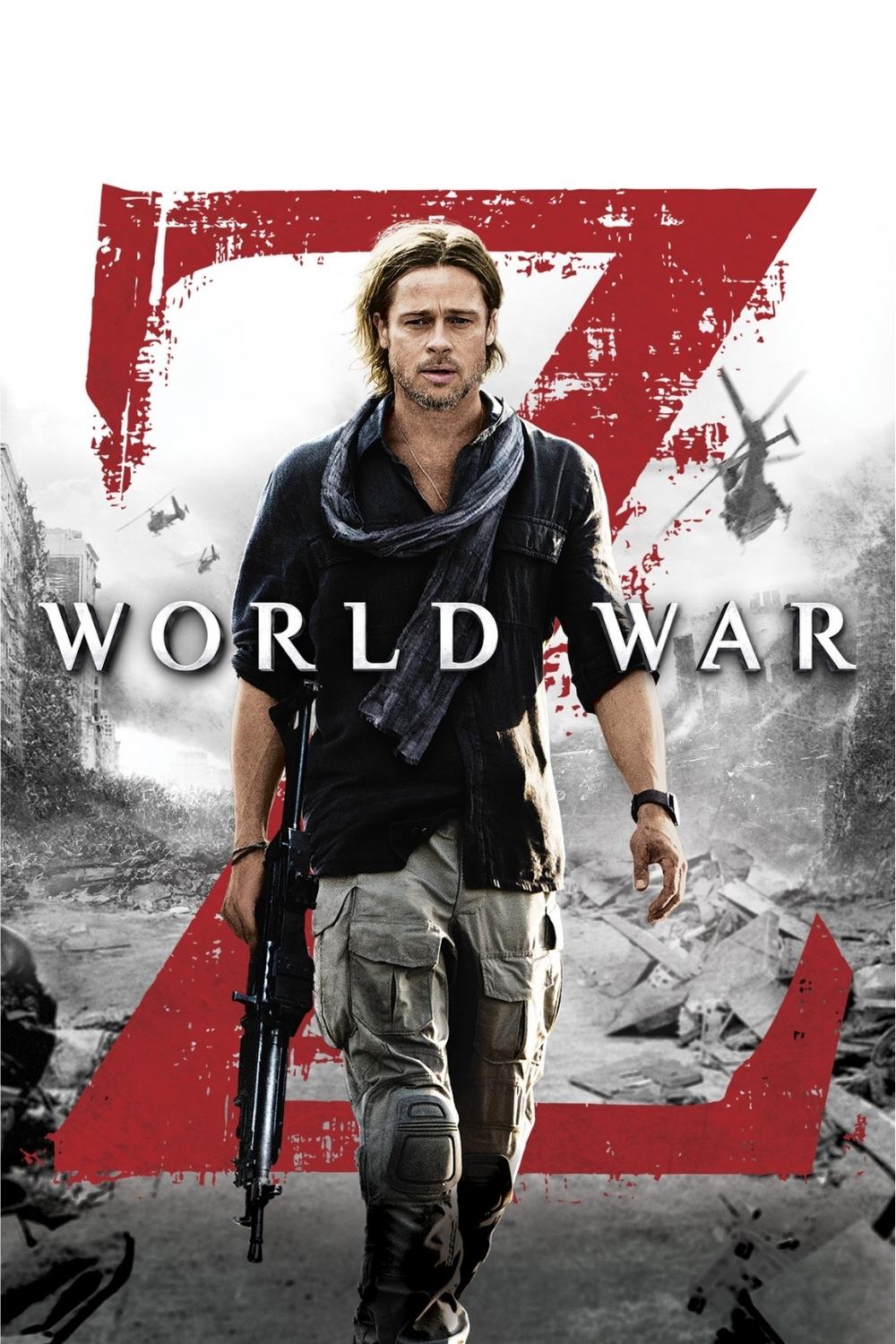
World War Z stands out from traditional zombie movies by approaching its apocalyptic scenario through a global and realistic perspective. Instead of focusing solely on survival, the film examines how societies, governments, and individuals react when faced with a rapidly spreading crisis. This broader scope gives the story a sense of urgency and relevance that extends beyond the conventions of the zombie genre. One of the film's greatest strengths is its pacing. The narrative moves quickly across different countries and cultures, creating the impression that the outbreak is truly a worldwide emergency. Each location introduces new challenges and perspectives, keeping the audience engaged while reinforcing the scale of the disaster. The zombies themselves are presented in a unique way. Their speed, aggression, and collective behavior transform them into a force of nature rather than traditional horror creatures. This approach increases the tension and creates several memorable action sequences that rely more on suspense than gore. Beyond its action elements, the film raises interesting questions about preparedness, leadership, and human resilience. Governments struggle to respond, institutions collapse under pressure, and survival often depends on cooperation and quick decision-making. These themes make the film feel surprisingly relevant in an era shaped by global health crises and international uncertainty. While some character development is sacrificed in favor of maintaining momentum, the film succeeds in delivering a gripping and entertaining experience. The focus remains on the larger crisis rather than individual stories, which may leave some emotional arcs feeling underdeveloped. Nevertheless, the film's ambitious scale and relentless energy help distinguish it from many other entries in the genre. Overall, World War Z is more than a typical zombie blockbuster. It combines large-scale action with themes of global vulnerability and collective survival, offering a fast-paced and thought-provoking take on the apocalypse.
With a visual grammar built around negative space and carefully held close-ups, the film trusts the audience to notice what its characters cannot say. It is intimate filmmaking at an ambitious scale, and its final image lingers long after the credits.
What works
Global scope gives the outbreak genuine urgency
Unique zombie behavior creates fresh tension
Taut pacing keeps the film moving relentlessly
What doesn’t
Character development is thin in favour of spectacle
The quieter, claustrophobic third act feels tonally disconnected